Saving and Banking for Teens — The Complete Guide
Last updated: August 10, 2026
- – A 30% savings split is a simple starting rule for allowance, gifts, or job income.
- For example, saving $15 every week turns into $780 in a year .
- – A teen who saves $10 a week has $520 after 52 weeks .
- – A teen who saves $25 a week has $1,300 after 52 weeks .
Quick Answer: For most teens, the best saving banking teens — complete guide setup is one teen checking account for spending and one separate teen savings account for goals. A simple split of 70% spending and 30% saving is a workable starting point for many teens, though families can adjust it based on income and expenses. Want an account that does not get in the way? Look for no monthly fee, a debit card if needed, mobile access, and parent controls.
For a teen, the smartest move is pretty plain: park spending money in a teen checking account, keep savings in a dedicated savings account, and use an institution that gives you parent controls, no surprise fees, and easy mobile access. This saving banking teens — complete guide is about choosing a setup that a teen can actually use without getting nickeled and dimed.
Key Facts
– 2 accounts usually work better than 1 for teens: checking for spending, savings for goals.
– A 30% savings split is a simple starting rule for allowance, gifts, or job income.
– A teen who saves $10 a week has $520 after 52 weeks.
– A teen who saves $25 a week has $1,300 after 52 weeks.
– No monthly fee and easy transfers matter more than flashy perks.
– The topic here is saving banking teens — complete guide, not just “which bank is best.”
Most teens and parents are really asking one thing: what’s the right way to save money and bank safely as a teen, without making the whole thing annoying or confusing? I’m not going to pretend every teen account is the same. Some are built for real independence. Others are basically adult accounts wearing a youth sticker. Big difference.
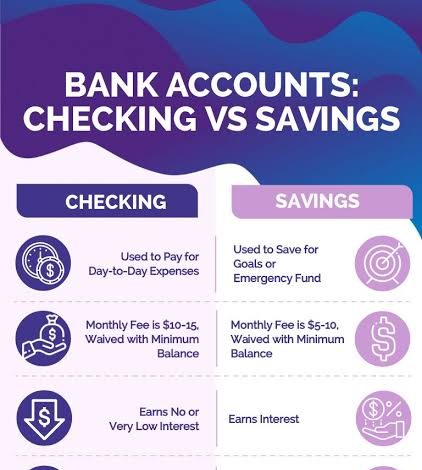
The Real Difference Between a Teen Checking Account and a Teen Savings Account
Teen checking wins for day-to-day money. Teen savings wins for money you want to keep out of your own hands.
That’s the short version. The rest is where the decision gets made. Checking handles spending, transfers, card payments, and cash access; savings is where you build a buffer, stash money for a goal, and add a little friction before an impulse buy. Honestly, if you’re a teen juggling allowance, a part-time job, or birthday money, I would not leave everything in one pile. That usually turns into “I thought I had money” fast.
A checking account is better when you need:
– a debit card for purchases
– ATM access for cash
– direct deposit from a job
– a simple place to hold money you’ll use this week or month
A savings account is better when you need:
– a dedicated bucket for school, travel, a phone, a laptop, or emergency money
– fewer temptations to spend
– a place to learn patience with money
Here’s the part generic guides miss: control. Teen banking is not only about storing cash. It is about giving a young person enough freedom to learn while still keeping mistakes small. That usually means checking for spending and savings for the money that should stay put.
And there’s a catch. Many savings accounts limit certain transfers or make withdrawals less convenient. Annoying? Sure. Useful? Also yes, because a little friction can help people save. I am not saying every teen should lock money away. I am saying teens should not use checking as the junk drawer for every dollar they get.
For a teen with irregular income, I’d start with checking and add savings once there’s a steady habit of setting part of each deposit aside. For a parent opening accounts for a younger teen, I’d keep both accounts at the same place so transfers are easy and the money map stays simple. Clean. No maze.
Teen Checking: Who Should Actually Use This and Who Shouldn’t
Teen checking is the better fit for the teen who spends money regularly and needs real-world access. It is the account that actually teaches money management, because it forces you to choose what to spend, what to hold, and what to move into savings.
I’d choose teen checking for:
– teens with part-time jobs
– teens who get allowance on a schedule
– teens who buy lunch, transit, school supplies, or small personal items
– teens who need a debit card and mobile app access
– families who want to supervise spending without taking over completely
Its strength is practical. You can pay in stores, online, and sometimes with tap-to-pay or a digital wallet if the bank supports it. That makes it useful in a way a savings-only setup never is. For a teen, that matters because money skills get built in ordinary moments: deciding whether to buy takeout, checking the balance before a weekend, moving money before a purchase, and watching small expenses pile up. Like sand in a shoe. Tiny, but annoying.
The weakness is practical too. Checking makes money too easy to spend. If the account has a debit card and a low barrier to use, the money can vanish quickly. That is the price of convenience. Checking can also turn into a fee trap if the account has maintenance fees, overdraft fees, or ATM fees. A teen account should not punish a beginner for learning. Should it do that, I’d pass.
Who should not rely on teen checking alone?
– teens who struggle with impulse spending
– teens saving for one specific goal
– teens who tend to leave money sitting until it gets spent casually
– families that want a clear line between “spend now” and “save for later”
The best version of teen checking is boring in the right way. It should work, it should be easy to check, and it should not force a teen to decode hidden charges. Should the app be clunky or the fee rules be murky, the account is already working against the user.
A generic article would say “checking is for everyday spending.” True, but thin. The better question is whether the teen needs money access that is easy enough to use daily but structured enough to teach restraint. Should that be true, checking belongs in the picture.
Teen Savings: The Specific Situations Where It Wins
Teen savings wins when the goal is to keep money from evaporating. That is the main point, and it is a strong one. A separate savings account is often useful for a teen who wants to build discipline, but it is not the only way to save money.
I’d choose teen savings for:
– a phone upgrade fund
– a laptop, tablet, or game console fund
– summer trip money
– emergency cash
– a “don’t touch unless necessary” reserve
– money from gifts or odd jobs that should not be spent right away
Savings works because it changes behavior. Money in a dedicated account feels less available, especially if the account is not tied to a payment card. That small inconvenience can save a teen from a lot of regret. The goal is not to make money hard to reach forever. It is to make reaching it a deliberate move.
The best savings setup for teens is usually simple:
1. Put spending money in checking.
2. Move a fixed portion of each deposit into savings.
3. Leave savings alone unless the goal is real.
That structure teaches a habit, not just a trick. I think that is the real value. A teen who learns to split money early is ahead of the teen who keeps everything in one pile and says they will “just be careful.” Promises are flimsy. Systems hold up.
The drawback is access. Should you need the money right away, savings can feel inconvenient. Some institutions make transfers slower than moving money between checking and savings. Annoying, yes. But there is a payoff: it creates one extra pause before spending. For a real emergency fund, that pause is usually worth it.
Savings is not the right main account for every teen. It is a poor fit if:
– the teen needs constant card access
– the teen’s money comes and goes unpredictably
– the teen has only one small pool of money and no separate goal
– the family needs quick, flexible transfers for shared expenses
The biggest mistake I see is using savings as a place to dump leftovers. That rarely builds a habit. Intentional transfers do. Even a modest, regular split can make a teen feel like they are in charge of something.
The Honest Side-by-Side

Teen checking and teen savings are not rivals. They are tools with different jobs. If you want the cleanest setup, use both. Checking handles the spending. Savings handles the delay.
| Criteria | Teen Checking | Teen Savings | Winner for [condition] |
|---|---|---|---|
| Everyday spending | Built for purchases, debit card use, and cash access | Not meant for frequent spending | Checking for regular purchases |
| Impulse control | Easy to spend quickly | Creates friction before withdrawal | Savings for teens who overspend |
| Teaching money habits | Teaches budgeting through use | Teaches delayed gratification and goal saving | Depends on the lesson you want |
| Direct deposit from a job | Usually the better fit | Usually secondary, not primary | Checking for job income |
| Emergency access | Fast access, but easier to misuse | Access can be slower or more deliberate | Checking for speed, savings for discipline |
| Goal-based saving | Possible, but too easy to blur with spending | Designed for separate goals | Savings for named goals |
| Risk of accidental fees | Can be higher if overdrafts or maintenance fees exist | Can also carry fees or transfer limits | Whichever account has simpler fee rules |
| Parent oversight | Often better for card controls and alerts | Useful for tracking savings progress | Checking for oversight, savings for goals |
| Best first account for a teen | Better if the teen already spends independently | Better if the teen already has spending access elsewhere | Depends on the teen’s actual behavior |
The real takeaway from the table is simple: checking and savings solve different problems. If someone says one is “better” in every case, they are selling a story, not giving advice. The right choice depends on whether the teen needs spending access, savings discipline, or both.
One more thing gets skipped a lot in generic guides: the plumbing. Just as important as account type is whether the institution offers easy transfers between accounts, clear alerts, a usable app, and no nasty fee surprises. A teen can have the “right” account and still have a lousy experience if the institution makes basic tasks hard.
What to Look for in a Teen-Friendly Bank or Credit Union
If I were choosing a teen-friendly bank or credit union, I would pick boring reliability over flashy perks. A good teen account should make money management clearer, not more complicated.
Look for these features:
– no monthly maintenance fee, or a fee that is easy to avoid
– a debit card if the teen needs one
– mobile app access with balance checks and transfers
– parent or guardian controls, if the teen is underage
– alerts for low balances or large transactions
– clear ATM access, ideally with a simple fee policy
– easy transfers between checking and savings
– a path to adult banking later, so the teen does not have to start over
According to the Consumer Financial Protection Bureau, banks and credit unions that serve young customers should make fee terms clear and easy to understand, and the Federal Deposit Insurance Corporation notes that deposits at insured banks are protected up to $250,000 per depositor, per insured bank, for each account ownership category. For a teen account, that does not change the day-to-day choice, but it does show why institution safety and fee clarity both matter.
The best institutions for teens are often not the ones with the loudest ads. Credit unions can be especially useful when you want a more personal setup and a less aggressive fee structure, though not every credit union has a polished app. Big banks can offer smoother tech and broader ATM networks, and some teens need that kind of access. Online banks may have strong apps and low fees, but teens and parents should be comfortable doing everything digitally.
That trade-off is worth spelling out plainly:
– Big bank: easier access, broader branch and ATM options, sometimes more fees
– Credit union: often friendlier fees and community feel, sometimes weaker digital tools
– Online bank: strong app experience, fewer branches, can be awkward for cash deposits
If the teen gets cash often, branch and ATM access matter more than many parents realize. If the teen mostly gets electronic transfers, digital experience matters more. I would choose based on how money actually moves in that household, not on abstract “best bank” rankings.
And I would not ignore app quality. A teen who cannot check a balance in seconds is more likely to spend blindly. A parent who cannot see alerts is more likely to worry blindly. Good teen banking cuts down confusion on both sides.
Also, watch the transition from teen to adult. Some accounts convert automatically, others require a new setup. That is not necessarily bad, but it should be known in advance so the teen does not suddenly lose access or have to redo direct deposit.
Saving Money as a Teen: A Simple System That Actually Works
A simple saving system for teens is not fancy. It is repeatable.
Here is the version I would recommend:
-
Name the goal.
Saving for “stuff” is weak. Saving for a phone case, a new pair of shoes, a school trip, or a driving fund is concrete. -
Split every deposit immediately.
Put a percentage or fixed amount into savings as soon as money arrives. Waiting until the end of the week usually means the money gets spent first. -
Keep savings out of the spending app flow.
Should it be possible, separate the savings account so it is not on the same screen you use to buy snacks online. -
Track progress visibly.
A notes app, paper tracker, or simple bank balance check can make the goal feel real. -
Use spending as the reward, not the default.
If a teen saves first, then spends from what remains, the habit improves fast.
That system works because it is simple enough to repeat when life gets busy. Teens have school, sports, work, family obligations, and plenty of social pressure. The money setup should not need a spreadsheet to survive.
The biggest mistake is trying to save from leftovers. Leftovers are what’s left after life happens, and life always happens first. A better rule is to save before spending, even if the amount is small. Small, steady transfers do more for habit formation than occasional heroic deposits. For example, saving $15 every week turns into $780 in a year.
A second mistake is keeping savings too vague. If the money has no job, it becomes easier to spend. Named goals help. I would even separate goals mentally: one account or sub-bucket for short-term wants, another for an emergency cushion, another for something bigger like a laptop.
Parents can help without taking over by matching deposits occasionally, setting milestones, or simply asking what the savings goal is this month. But I would avoid turning saving into a lecture. Teens learn better when they can see a result.
Our Verdict: Which One to Choose and Why
Choose teen checking if the teen already spends money independently, gets paid from a job, and needs a debit card or regular cash access. Choose teen savings if the teen’s main problem is spending too fast and the goal is to build a reserve for something specific. Neither if the account comes with fees the teen cannot easily avoid, or if the family has no clear plan for how the money will be used.
My actual recommendation is this: start with teen checking if the teen needs to use money in real life, then add a dedicated savings account as soon as there is any regular income or allowance. That combination is the most useful setup for most teens because it matches how money behaves. Some money gets spent. Some money should be protected. In a saving banking teens — complete guide, that is usually the most practical answer.
If I had to choose only one account for a teen who is starting from zero, I would choose checking for active spenders and savings for cautious savers. That is the cleanest split. Checking makes money usable. Savings makes money survivable.
The only time I would not push the two-account setup is when the teen is so young, or so new to money, that even a debit card would create more problems than benefits. In that case, a simple savings account with parent oversight can be a better first step. But that is a temporary stage, not the end state.
When to Reconsider This Choice Entirely
The usual checking-versus-savings question changes when the teen’s situation changes. I would reconsider the whole setup in these cases:
-
The teen has no income and no regular allowance.
Should money only show up occasionally, a simple savings account may be enough for now. There is no point creating complexity without a real use case. -
The teen spends impulsively and has already overdrawn or blown through balances.
In that case, checking access may be too much freedom too soon. Tighten controls, reduce card use, and make savings the main home for money until habits improve. -
The teen needs cash handling.
Some banking setups are awkward for deposits and withdrawals. If the teen deals in cash often, the institution choice matters as much as the account type. -
The teen is close to adulthood.
Should graduation, college, a job change, or moving out be near, I would think about the adult banking setup the teen will need next. The best teen